

Maintenance shows what an asset costs to keep. Finance shows what it is worth. The field count shows whether it is still there.
AssetMaxx connects those three views. 4Site, Optima, and Scan & Validate each hold a different record. One standard, across the asset lifecycle.
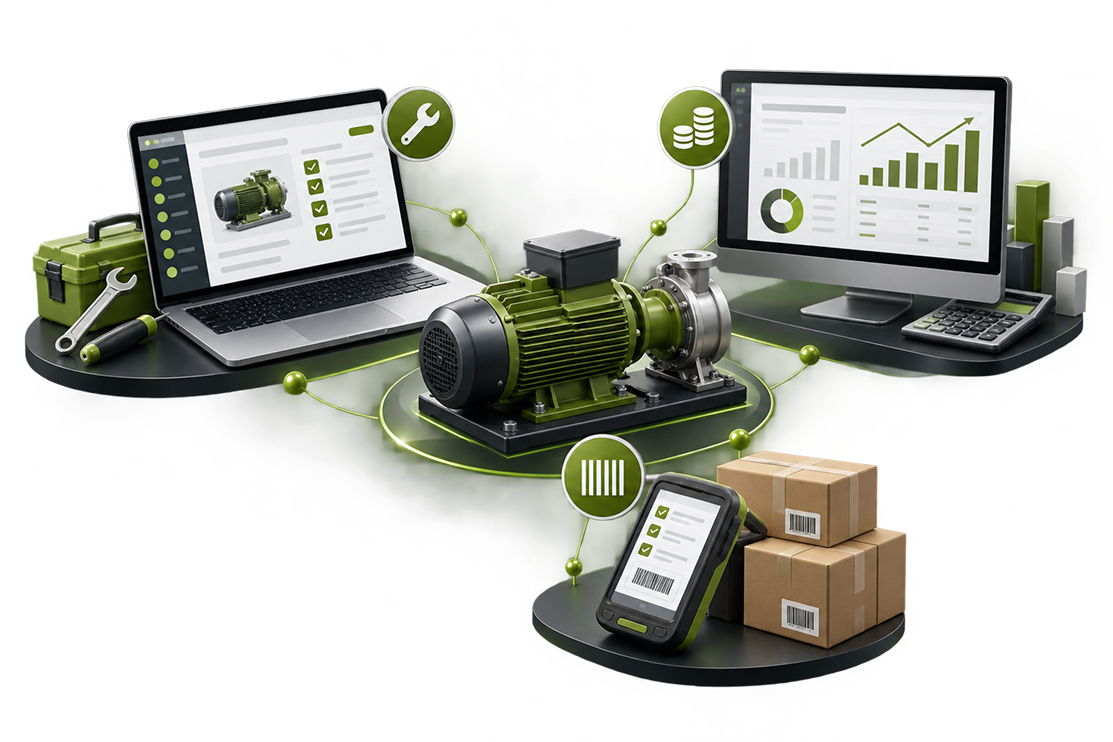
4Site carries the operational record: asset register, maintenance, work orders, and cost by asset. Optima holds the fixed-asset financial record beside it. Scan & Validate confirms equipment, tools, and tagged assets in the field. Each product owns its part. One standard carries across operations, finance, and property.
The operational asset system: asset register, maintenance, work orders, and cost of keeping each asset in service.

The fixed-asset financial record: value, depreciation, and capital detail finance can review beside operating cost.
Equipment, tools, and tagged assets confirmed in the field, then reconciled to the expected record.
The ERP can carry acquisition cost and depreciation. It does not carry the full operating story. 4Site supports the operating record around it. Add Optima when work crosses into the fixed-asset record, and Scan & Validate when teams need field confirmation.
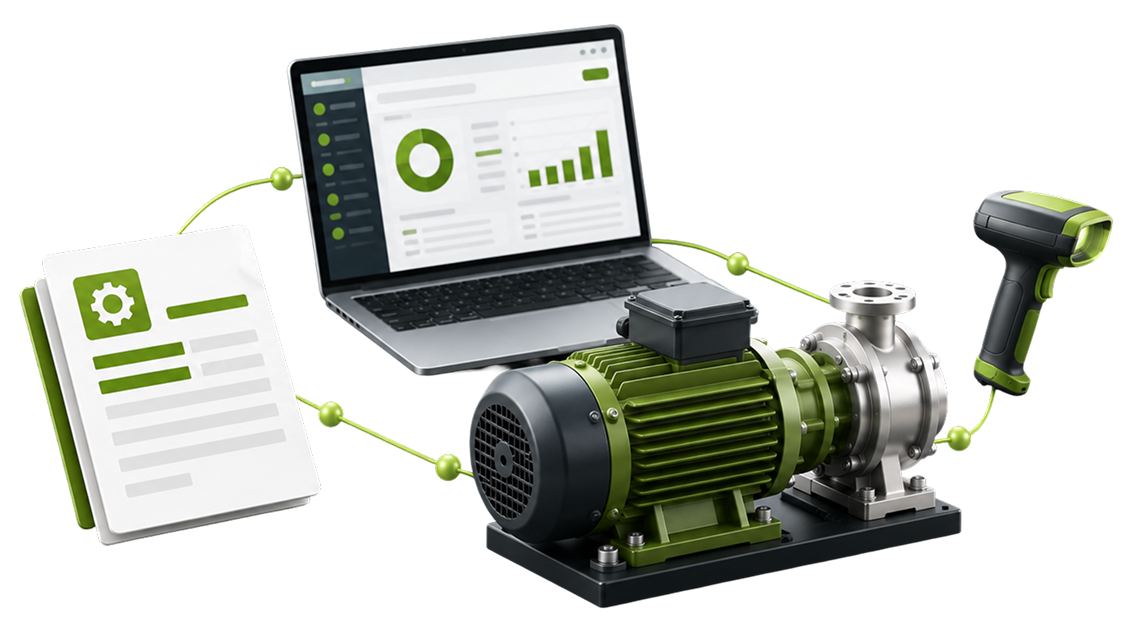
Asset records drift in small ways: an old tag verification, a location change with no note, a repair history finance never sees. Maintenance, cost, book value, and field status can describe the same asset differently. EAM closes that gap by reviewing operational, financial, and field records together. It is more than a CMMS, and more than a fixed-asset ledger.



Every asset should give you the same three answers: what it costs, what it is worth, whether it is still there. Bring us one where they do not line up, and get all three in one place.