

It does not fail all at once. It fails one line at a time.
Retired assets still depreciating, purchases never capitalized, construction in progress already in service: none of it surfaces until an auditor pulls the line. AssetMaxx holds the fixed-asset record to one standard at the source, so the schedule is not rebuilt the week before the audit.
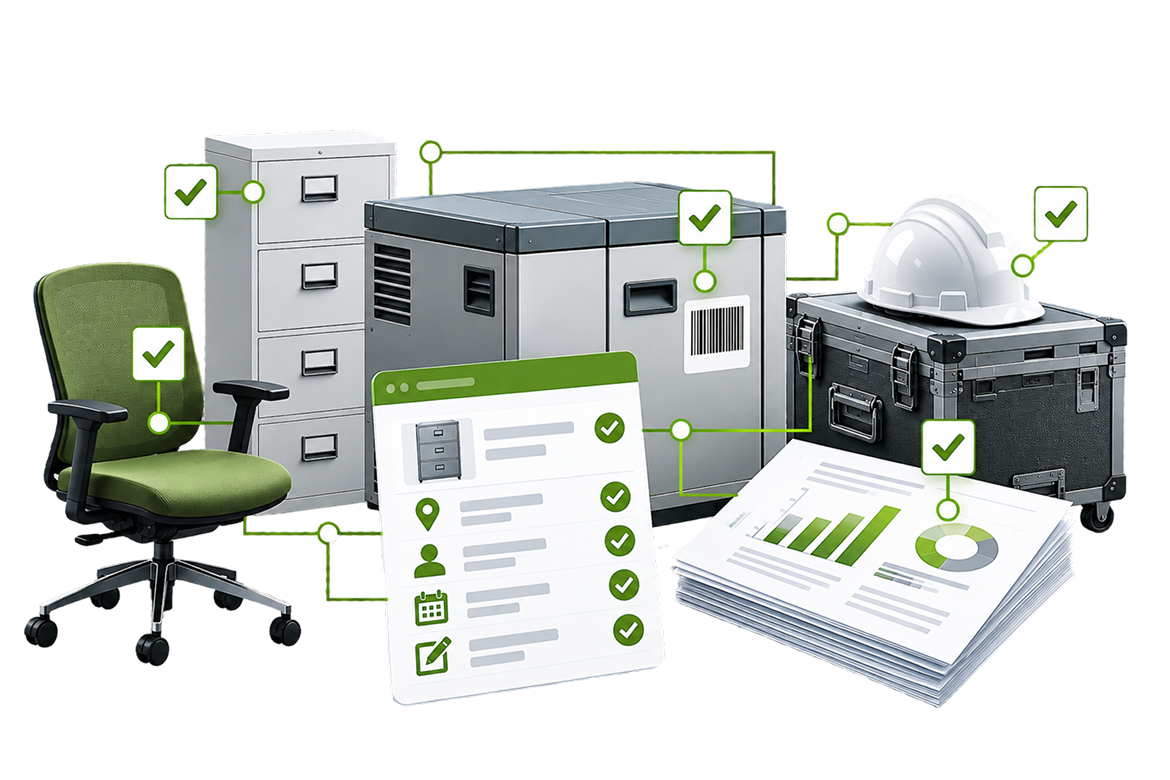
Optima maintains the financial record: what entered the books, when it entered service, what changed, and what was approved. A defensible record also needs those numbers confirmed against what is physically there, and retirements captured against a real event. AssetMaxx holds all three to one standard as work crosses finance, operations, and property.
Capitalization, depreciation, in-service history, approvals, supporting records, and book-side retirement, built for Governmental Accounting Standards Board (GASB) requirements where they apply.

Physical inventory confirmed in the field, with exceptions flagged and reconciled, so ghost assets are caught instead of carried.

Custody, movement, and disposition are captured as they occur, so finance can retire the asset against a real event rather than depreciate equipment that is already gone.
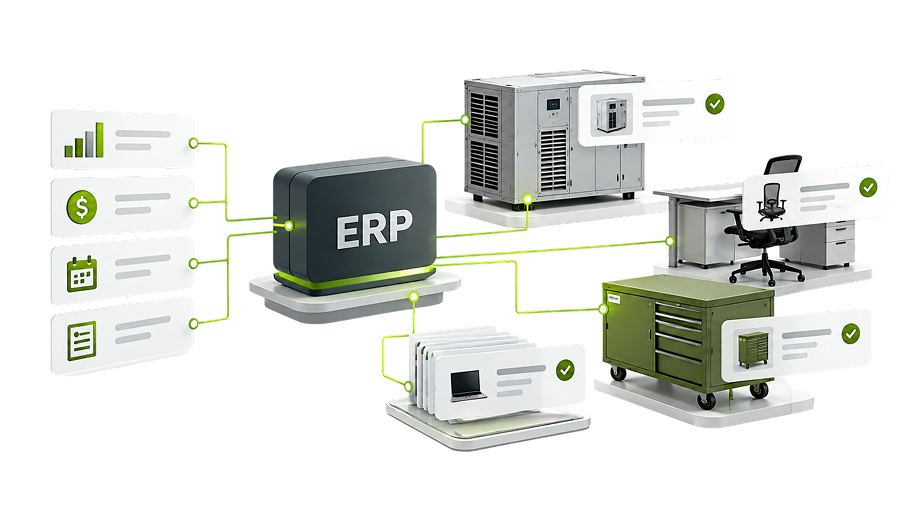
The fixed-asset schedule may live in finance, but the proof behind it does not. The gap is usually not the math. It is confirming what is physically there and capturing the event behind a transfer, retirement, or disposal. AssetMaxx supports that work across the systems you already run: Optima for capitalization, depreciation, in-service history, approvals, and book-side retirement; Scan & Validate for field confirmation; and Recoup for disposition history as assets leave service.
Keeping a fixed-asset record looks similar everywhere. What changes is who reviews it, what they test, and which rules it has to satisfy.



See how AssetMaxx supports the financial record, field confirmation, and disposition history your team needs when that line is tested.