

The person doing the verification is standing at the equipment. That is the moment to fix the record, while the details are in front of them.
At each asset, the field worker confirms or corrects location, status, custodian, and notes on a mobile device. The record updates at the point of verification, so it reflects what was actually found, not what someone remembered later.
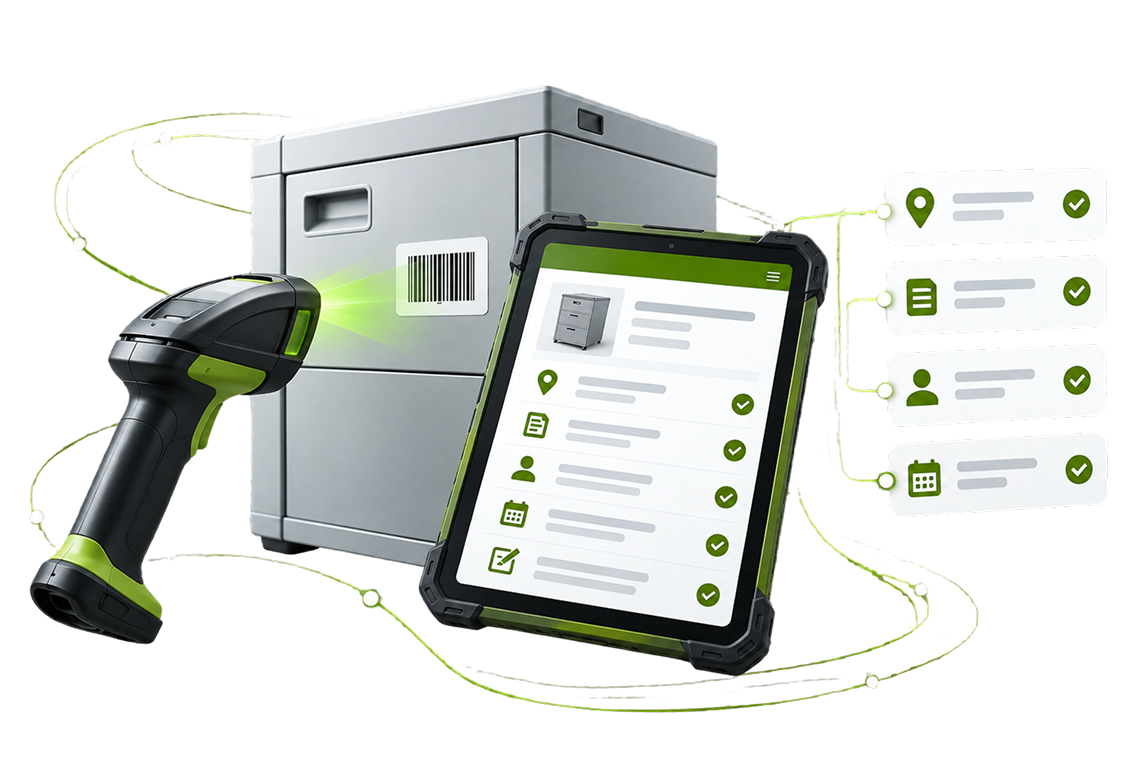
The field worker opens the existing record on the mobile device with the equipment in front of them, and corrects whatever the system has wrong. This is mobile custodian verification in practice: location, status, and custodian confirmed together, at the asset. Administrators watch results arrive as the work happens, updating every 30 seconds, instead of waiting for the team to come back.The field worker opens the existing record on the mobile device with the equipment in front of them, and corrects whatever the system has wrong. This is mobile custodian verification in practice: location, status, and custodian confirmed together, at the asset. Administrators watch results arrive as the work happens, updating every 30 seconds, instead of waiting for the team to come back.
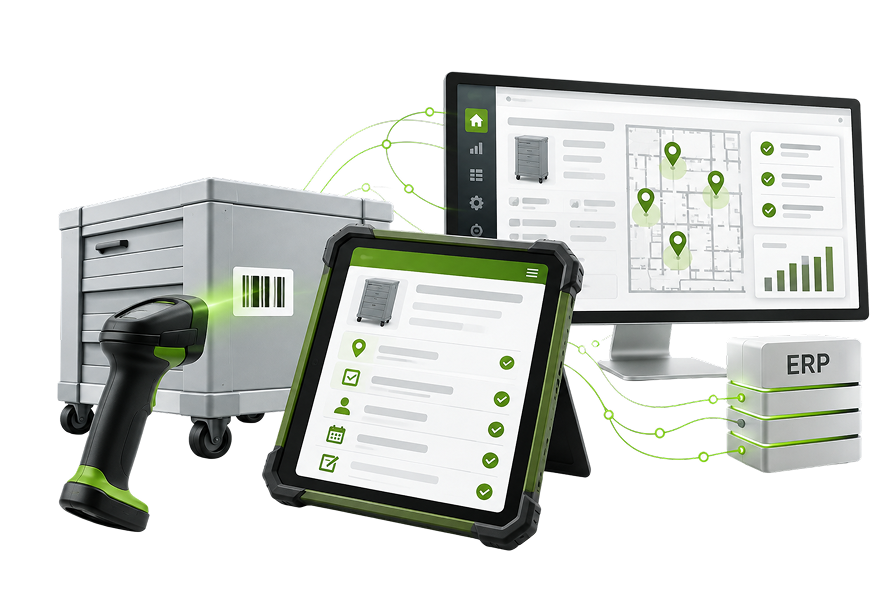
Accountability changes by record and by team. Start with the path closest to the work you have to defend.
The core of location verification asset management is confirming or correcting where the asset physically is at the source, rather than carrying it forward from the last spreadsheet update.
The asset’s current state, noted while the field worker is present.
Who is responsible for the asset, confirmed at the asset during verification.
Context and documentation attached at the point of verification, kept with the record.
Bring the field process your team runs today, and see how per- asset validation in Scan & Validate keeps the record current as verification proceeds, an asset record update in the field, not reconstructed later.