Asset management software helps metals plants keep equipment serviceable, coordinate outages, and see what maintenance costs by asset. For a rolling mill, that can mean having the right gearbox on hand before a shutdown. At a foundry, it can mean seeing which casting machine keeps returning to the repair queue. This guide compares ten vendors for steel mills, smelters, service centers, and metal fabricators.
AssetMaxx publishes this guide and is listed first. We selected the remaining providers based on their relevance to metals operations, documented features, and fit for a specific maintenance or reliability workflow. The order is editorial. Each entry identifies the specific platform or product under review.
Website https://assetmaxx.com/
4Site fits mills and fabricators that want to connect maintenance planning to what is actually in the storeroom and what purchasing needs to order. For a planned rolling-mill gearbox replacement, the planner can start with the equipment’s service history, the storeroom can check spare availability, and operations can review the labor and material costs afterward.
Sources 4Site product overview · AssetMaxx industrial asset management
Website https://www.ifs.com/en
IFS Cloud is worth a look when several steelmaking or processing plants need a common maintenance program across sites. IFS documented SSAB Europe’s selection of the platform to support steelmaking facilities in Finland, including mobile work orders and maintenance planning.
Sources IFS on SSAB Europe’s selection · IFS mills and mining software
Website https://www.sap.com/index.html
SAP fits metals companies that already centralize finance and operations in SAP and want to use the same enterprise environment for maintenance. For example, a planner can review the timing of work on multiple pieces of equipment against a planned mill outage.
Sources SAP mill products industry software · SAP Cloud ERP asset management · SAP maintenance scheduling by asset
Website https://www.octave.com/
Attune EAM, formerly HxGN EAM, is an option for operations that want to manage equipment across production lines, utilities, and material handling under a common maintenance model. The hierarchy can help a planner locate a failing motor within the larger mill system it serves.
Sources Octave Attune EAM
Website https://www.abb.com/global/en
ABB’s metals-focused tools suit teams that want to bring condition data from production assets into one view. Operators and reliability engineers can use that view to investigate changes in critical equipment before deciding what work to request.
Sources ABB Asset Vista for metals · ABB predictive maintenance service
Website https://www.siemens.com/en-us/
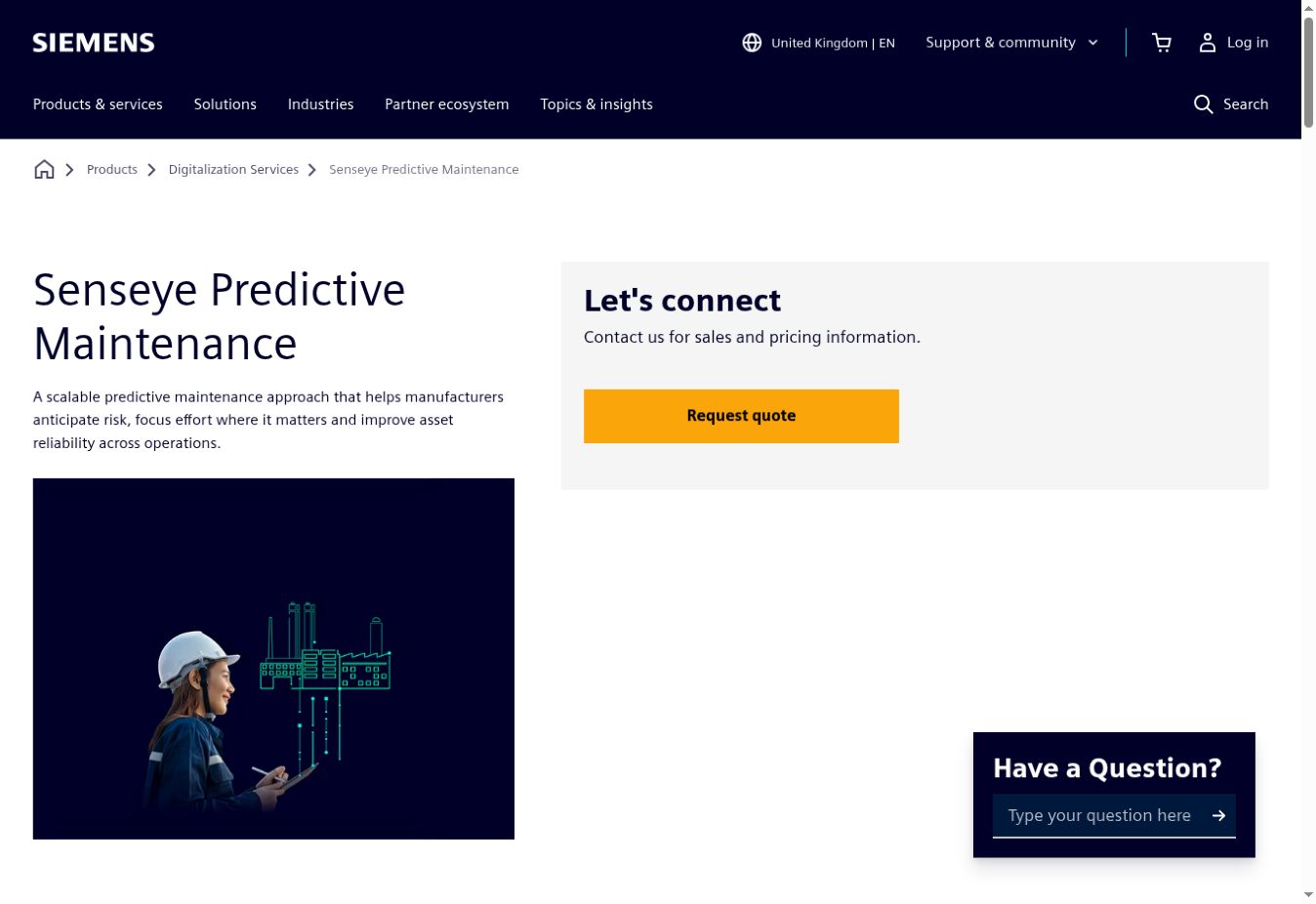
Senseye fits reliability teams that already collect machine data and want to extend predictive maintenance across similar assets or production lines. Siemens documents BlueScope using it in a pilot across metal coating lines, a useful reference for operators considering a phased rollout.
Sources Siemens Senseye Predictive Maintenance · Siemens BlueScope steel case study
Website https://www.aveva.com/
AVEVA is worth comparing when a plant collects sensor data and reliability engineers need to understand what is driving an unusual trend. A maintenance team can use the diagnostic evidence to decide whether to investigate a gearbox now or review it during the next outage.
Sources AVEVA Predictive Analytics · AVEVA asset performance management
Website https://limble.com/
Limble fits a processing center that needs a practical way to move preventive maintenance, work requests, and spare-parts records off paper. Limble’s MidWest Materials case study describes the steel service center using it for preventive scheduling, inventory, and purchase orders.
Sources Limble CMMS features · Limble MidWest Materials case study
Website https://www.fluke.com/en-us
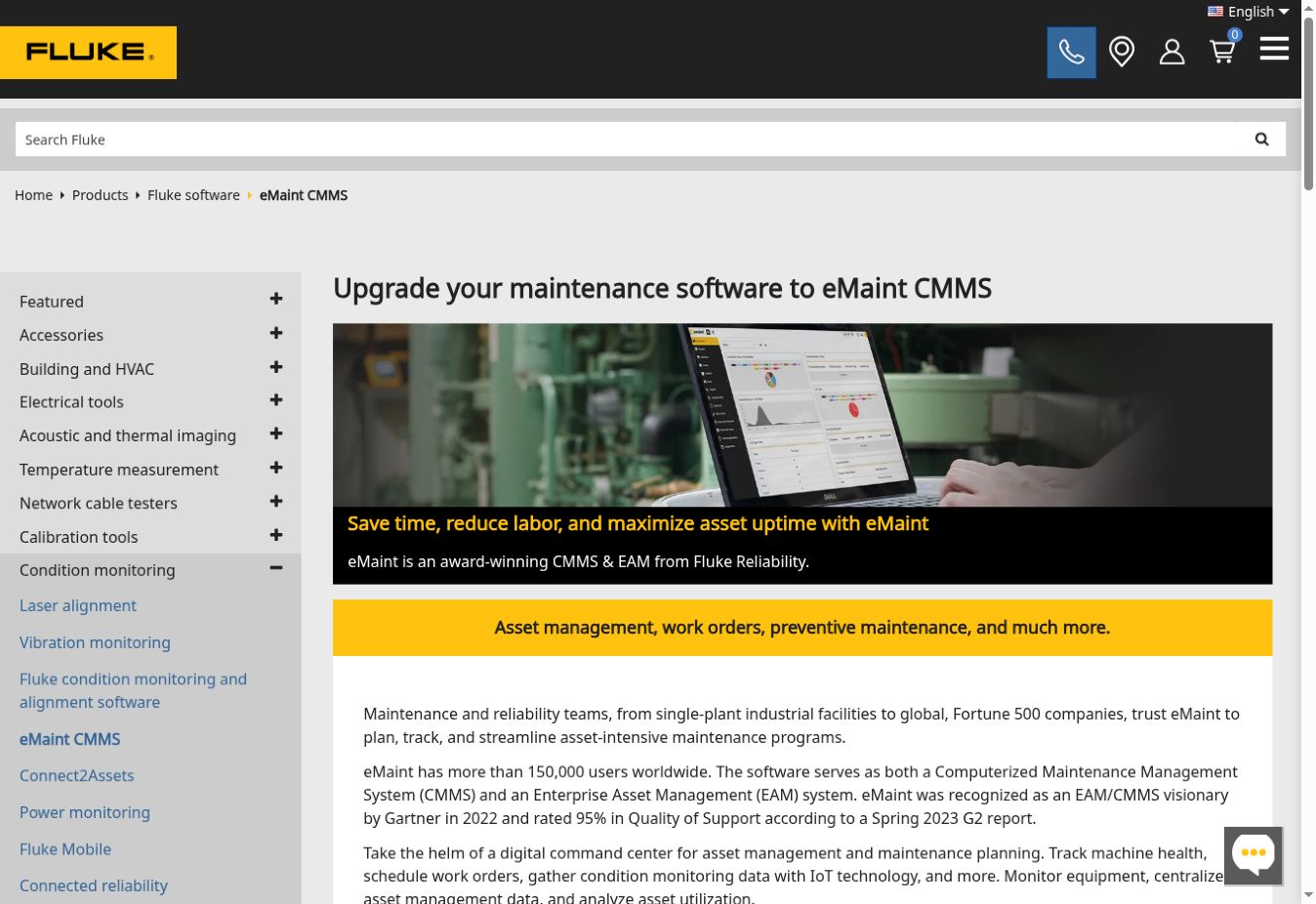
eMaint suits a foundry or fabrication plant that wants to see which machines account for repeated maintenance work. Fluke’s eMaint case study on Spokane Industries describes a steel foundry and investment casting operation using maintenance records and reporting to identify recurring equipment problems.
Sources Fluke Reliability eMaint overview · eMaint Spokane Industries case study
Website https://fiixsoftware.com/
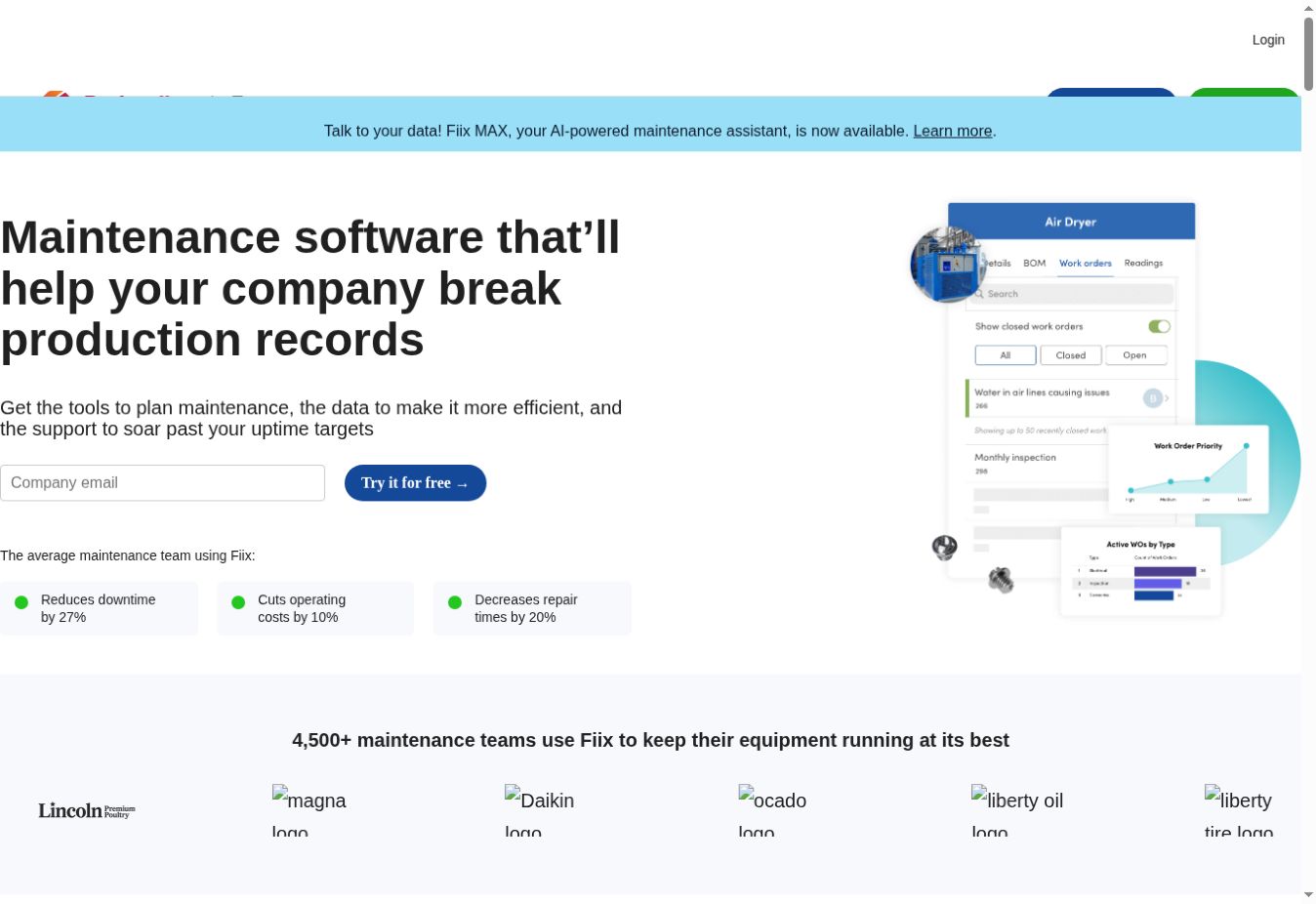
Fiix fits a metal packaging plant or fabrication shop that wants consistent preventive maintenance and clearer reporting on completed work. Fiix’s maintenance guide describes Ardagh Group, a glass and metal packaging producer, using a CMMS to unify maintenance across facilities.
Sources Fiix CMMS documentation · Fiix preventive maintenance guide and Ardagh example · Fiix example reports
Start with the problem you need to solve. Enterprise asset management (EAM) connects equipment records with work, materials, and costs. A computerized maintenance management system (CMMS) focuses on organizing maintenance work and equipment history. Asset performance management (APM) uses condition and operating data to help reliability teams decide where to investigate. Many plants use more than one of these tools.
Bring one equipment record, one recent work order, and one critical spare to the demo. Ask vendors to show where the asset ID lives, how technicians record completed work, and which costs your finance team can reconcile afterward.
4Site helps metals teams connect preventive maintenance and work orders with spare-parts inventory, purchasing, and equipment costs. Before a shutdown, planners can see what work is due and check whether the parts are available. Afterward, operations can review the labor and materials charged to each asset and use that history to plan the next outage. Explore 4Site enterprise asset management.