Mining asset management software helps operators keep track of equipment, plan maintenance, and decide when to repair or replace critical assets. A haul truck sends operating and condition data. A crusher shutdown depends on work orders, reserved spares, and purchasing. A remote tool crib needs to know which site has a tagged item. The right shortlist starts with the decision your team needs to make.
AssetMaxx publishes this guide and is listed first. We selected the remaining providers based on their mining relevance, documented capabilities, and fit for a defined operational use case. The order is editorial. Each entry identifies the specific platform or product under review.
Website https://assetmaxx.com/
Use 4Site when your mine needs a single operating record for maintenance, storeroom inventory, purchasing, and equipment costs. A planner preparing a crusher shutdown can see the work due, check whether critical spares are available, and track the parts and labor that were ultimately charged to the job. AssetMaxx also offers Scan & Validate separately for physical inventory verification.
Sources 4Site product overview · AssetMaxx mining solutions
RPMGlobal homepage
Website https://rpmglobal.com/
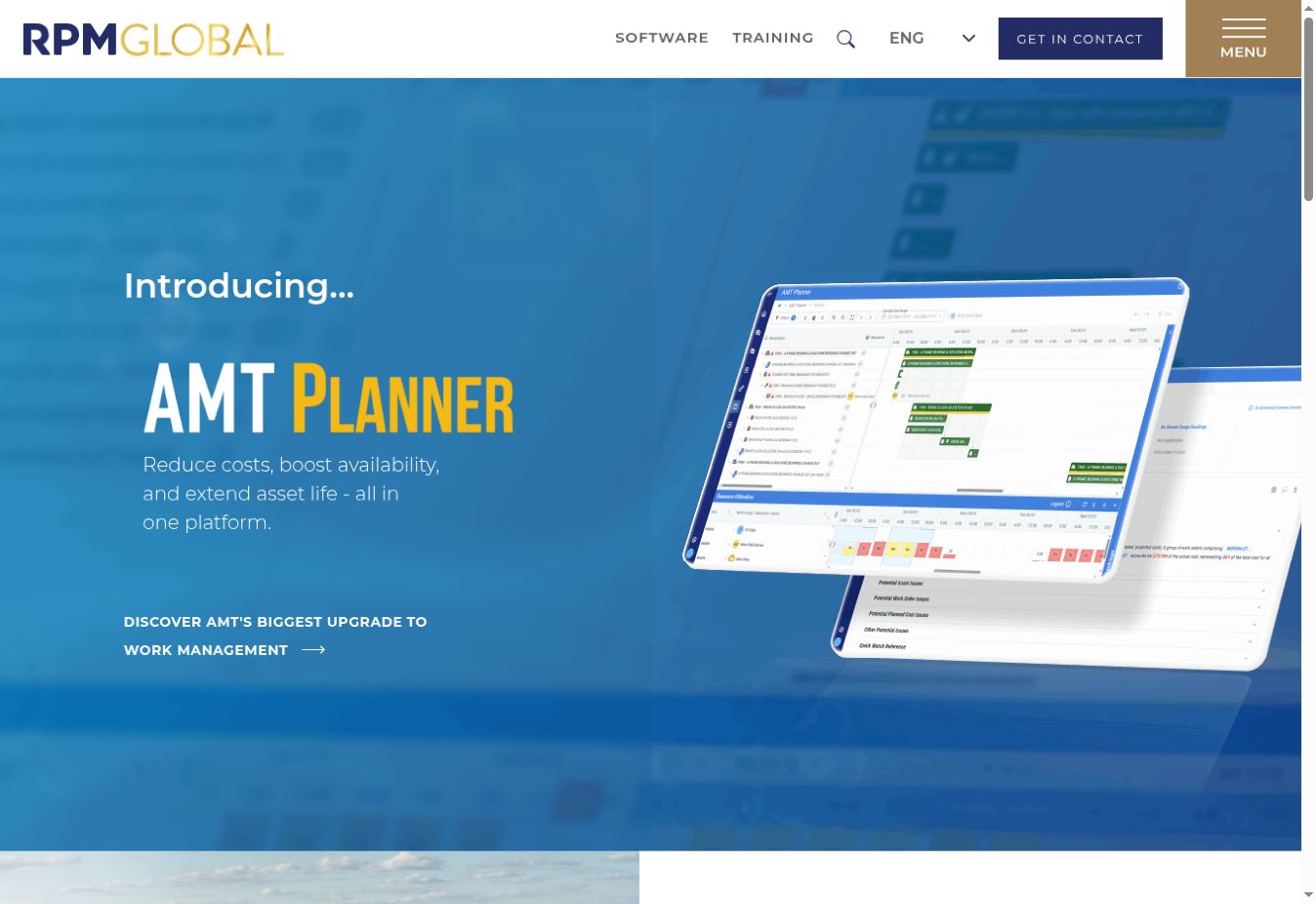
Use AMT when a fleet planner needs to forecast component replacements, maintenance demand, and cost across the remaining life of haul trucks or other equipment. Review MineStar Health separately if your fleet team also needs machine health alerts and diagnostic data. Caterpillar acquired RPMGlobal in 2026.
Sources RPMGlobal AMT · Cat MineStar Health · Caterpillar acquisition disclosure
Website https://www.sap.com/index.html
Use SAP when a mining company already runs finance and procurement in its ERP and wants sites to follow common maintenance processes. The fit is strongest where planners need maintenance status and equipment information in the same enterprise environment as purchasing and cost controls.
Sources SAP mining industry software

Website https://www.ifs.com/en
Use IFS when a mining group wants maintenance, supply chain, and production to work from the same enterprise platform. Compare it if information about equipment reliability and materials needs to travel between operations and central teams.
Sources IFS mills and mining
Website https://www.octave.com/
Use Attune EAM, formerly HxGN EAM, if your mine needs consistent maintenance records for assets as different as a mobile fleet, a processing plant, and a long conveyor. Asset hierarchies help planners distinguish a failed component from the larger system it interrupted.
Sources Octave Attune EAM
Website https://www.abb.com/global/en
Use ABB when a processing plant already collects operational data and wants to turn it into earlier warnings for critical equipment. A reliability team can use condition trends to investigate a degrading grinding or processing asset and plan an intervention.
Sources ABB mining asset management and condition monitoring
Website https://www.aveva.com/
Use AVEVA when your reliability team has plant data and wants to prioritize assets by risk, then detect abnormal behavior before a breakdown. It is relevant to sites building a condition-based maintenance program alongside their work order system.
Sources AVEVA asset performance management · AVEVA condition-based maintenance example
Website https://www.komatsu.com/en-gb
Use MineCare if haulage or loading equipment produces machine data your team can use to diagnose faults sooner. Mine maintenance teams can use those signals to decide which unit to inspect and when to bring it into the shop.
Sources Komatsu MineCare maintenance and reliability
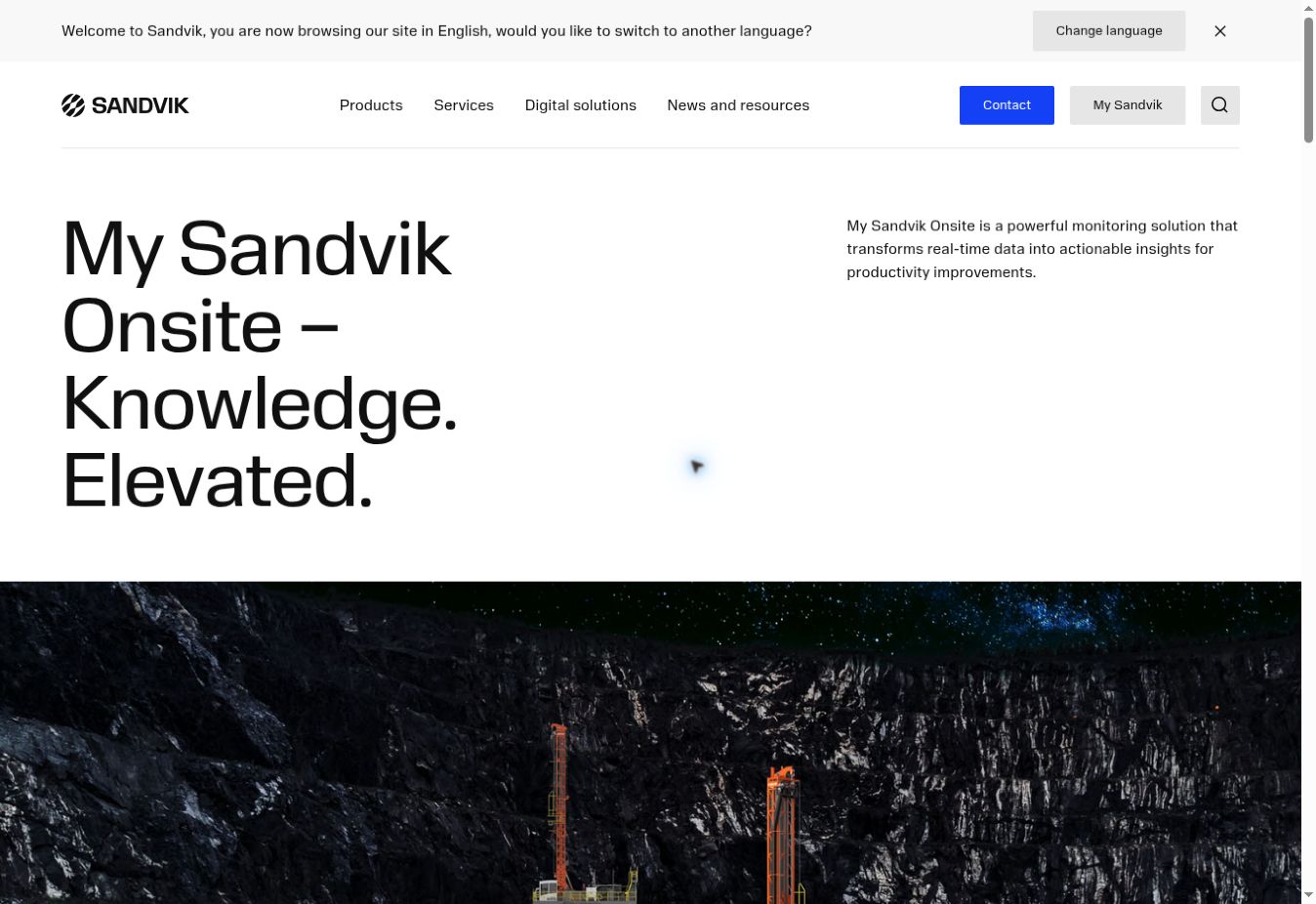
My Sandvik Onsite product page
Website https://www.mining.sandvik/
Use My Sandvik Onsite if the equipment you need to manage includes supported Sandvik surface drills and the drill team wants equipment data it can review by asset. Ask the vendor to demonstrate the metrics available from your exact drill models and configurations.
Sources My Sandvik Onsite product and model coverage
Website https://www.epiroc.com/en-us
Use Fleet+ when you need to follow utilization, service needs, and machine condition for connected Epiroc equipment. If your mine runs several brands, confirm which machines Fleet+ can monitor and evaluate any separate machine-data tools on their own merits.
Sources Epiroc telematics and Fleet+ transition · Epiroc Fleet+ capabilities
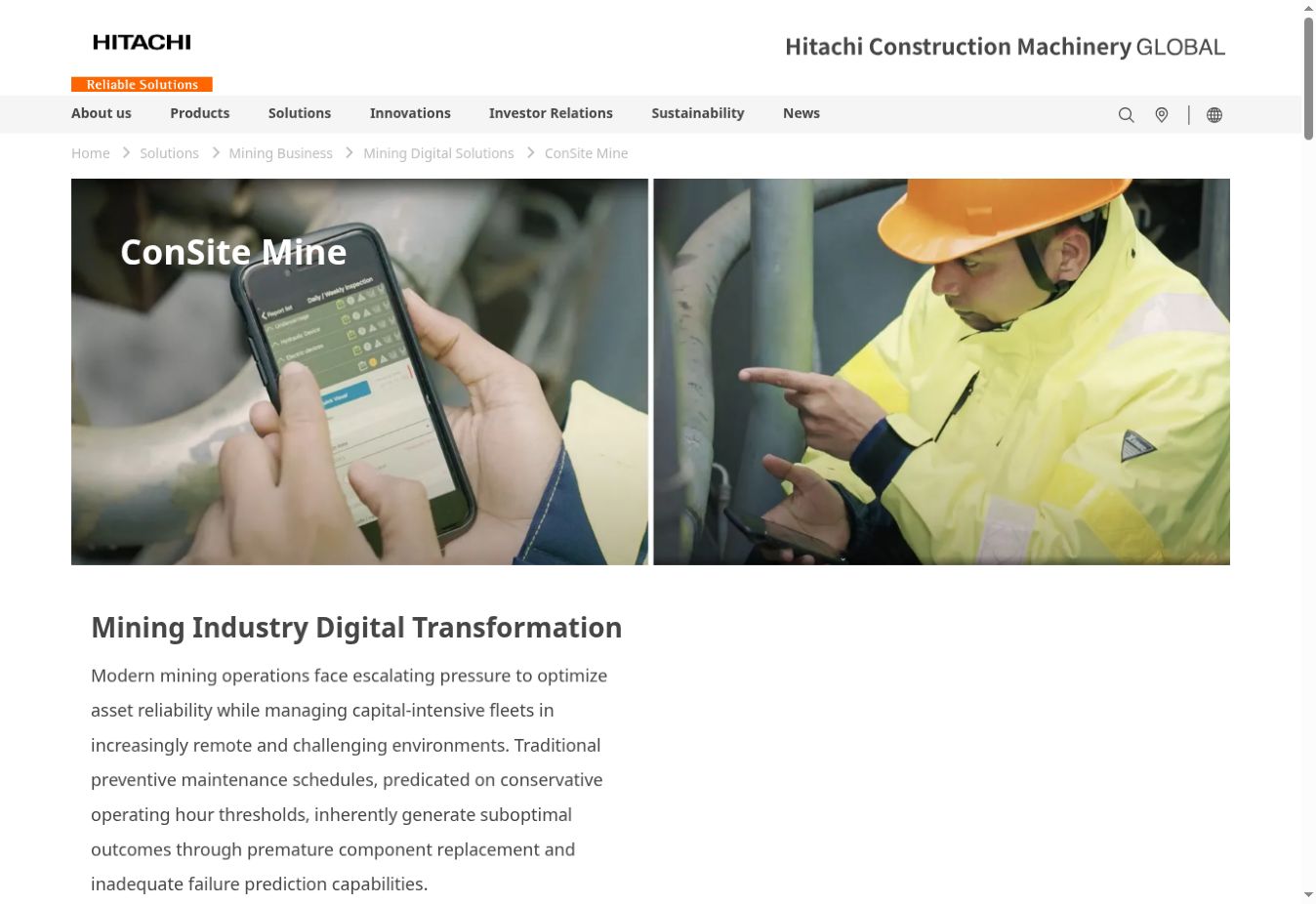
Hitachi ConSite Mine product page
Website https://www.hitachicm.com/global/en/
Use ConSite Mine when maintaining large excavators or rigid haul trucks requires more than a fixed service interval. The system helps a reliability team review condition signals and determine when to intervene on supported machines.
Sources Hitachi ConSite Mine
Wenco Asset Health solution page
Website https://www.wencomine.com/
Use Wenco Asset Health if your mine wants equipment condition in the context of fleet operations. A useful demo is to ask the vendor to surface a fault event from a unit and show what dispatchers and maintenance staff can each see. Wenco is part of Hitachi Construction Machinery and offers a distinct fleet system.
Sources Wenco Asset Health · Wenco ownership disclosure
Liebherr Mining Digital Services announcement
Website https://www.liebherr.com/en-us/group/start-page-3782471
Use Liebherr Mining Digital Services if your operation runs supported Liebherr equipment and wants to give reliability and operations teams access to the machine data generated on site. Review each application against the decisions your teams need to make.
Sources Liebherr Mining Digital Services
Website https://www.getmaintainx.com/
Use MaintainX when technicians need a consistent way to record inspections and complete maintenance from the field. It is useful for operators moving paper checklists and work orders into a repeatable workflow across a fleet shop or processing site.
Sources MaintainX mining maintenance software
Website https://upkeep.com/
Use UpKeep if crews need access to assigned work and asset history across fixed plant and mobile equipment, including jobs where the connection is intermittent. Ask the vendor to show what users can open and complete offline on the plan you are considering.
Sources UpKeep mining maintenance software
Website https://fiixsoftware.com/
Use Fiix if the immediate need is a structured maintenance program for equipment such as process pumps, conveyors, and mobile workshop assets. It can help a planner review scheduled work and a supervisor see what parts the team consumed.
Sources Fiix CMMS documentation · Fiix analytics report examples
Website https://limble.com/
Use Limble when a mine or processing plant needs recurring maintenance, asset-level history, and a reliable way to count spares. A site can use asset hierarchies to organize service from a full conveyor system down to its components.
Sources Limble CMMS features
Website https://www.fluke.com/en-us
Use eMaint when a maintenance team wants scheduled work, asset records, and machine health information to inform the same workflow. It is relevant to fixed-plant shops that want to connect condition data to maintenance decisions.
Sources Fluke Reliability eMaint overview
Website https://www.assetpanda.com/
Use Asset Panda when the immediate question is where a piece of equipment is, who checked it out, or when it was last serviced. This is a useful fit for tool cribs and teams that send portable equipment between sites and want a record of who has it.
Sources Asset Panda mining asset management
Website https://www.fulcrumapp.com/
Use Fulcrum when your mine needs technicians to capture consistent field observations and equipment evidence where signal is weak. Its value is clearest when field records feed into an existing GIS, asset register, or maintenance process.
Sources Fulcrum mining resource survey · Fulcrum inspection and audit app
Start with the workflow your crews need to complete and the system that should keep the final record. A mine can use fleet monitoring to detect a fault, enterprise asset management (EAM) or a computerized maintenance management system (CMMS) to manage the repair, and an inventory tool to verify equipment in the field.
For a multi-site rollout, repeat the demo with two locations, one shared part, and your existing ERP or maintenance system. Ask the vendor to show where asset IDs are maintained, who can approve a purchase, and what happens to a field update after the connection drops.
4Site helps mining teams connect preventive maintenance and work orders with spare-parts inventory, purchasing, and costs. A maintenance planner can see what work is due, a storeroom team can see what parts the job requires, and operations can review the labor and materials charged to the equipment after the job closes. That shared record gives teams a clearer basis for planning the next shutdown and deciding what to keep in stock. Explore 4Site enterprise asset management.