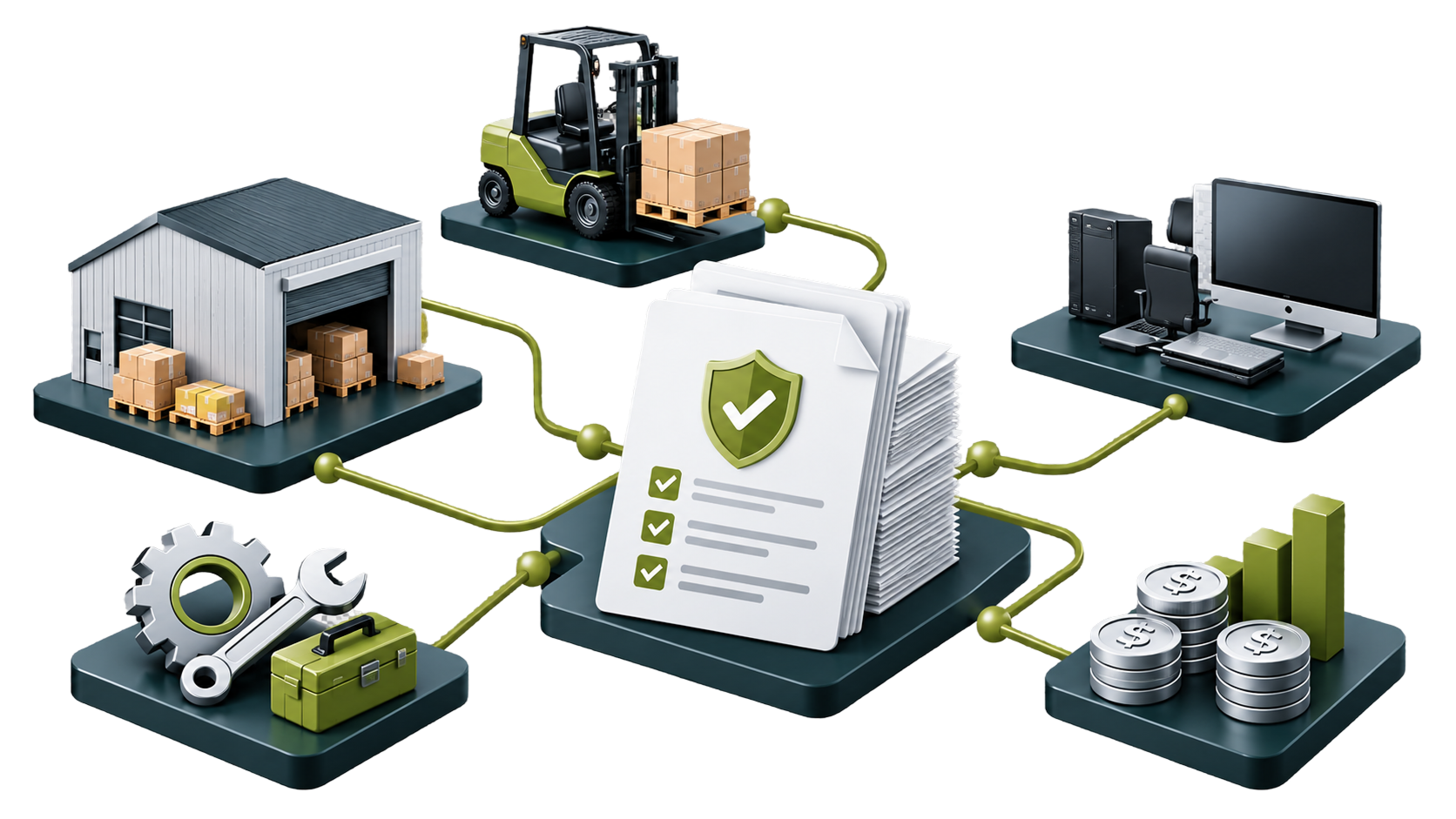
An audit does not test one record. It tests the gaps between them.
Fixed-asset reporting, physical inventory, custody, and disposition rarely sit in one system. AssetMaxx holds those records to one standard, so teams can put them side by side before the auditor does.
Accountability changes by record and by team. Start with the path closest to the work you have to defend.
Fixed-asset records, depreciation, and reporting finance can defend.
Audit preparation, supporting records, and compliance review across asset workflows.
Physical inventory confirmed in the field and reconciled to expected records.
The custody trail, fixed-asset schedule, physical inventory, and disposition history are often maintained by different teams and compared only under audit pressure. AssetMaxx puts a dedicated product behind each record and holds the set to one standard: Recoup for active-asset custody, movement, and disposition history; Optima for fixed asset management and audit reporting; and Scan & Validate for physical inventory and reconciliation.
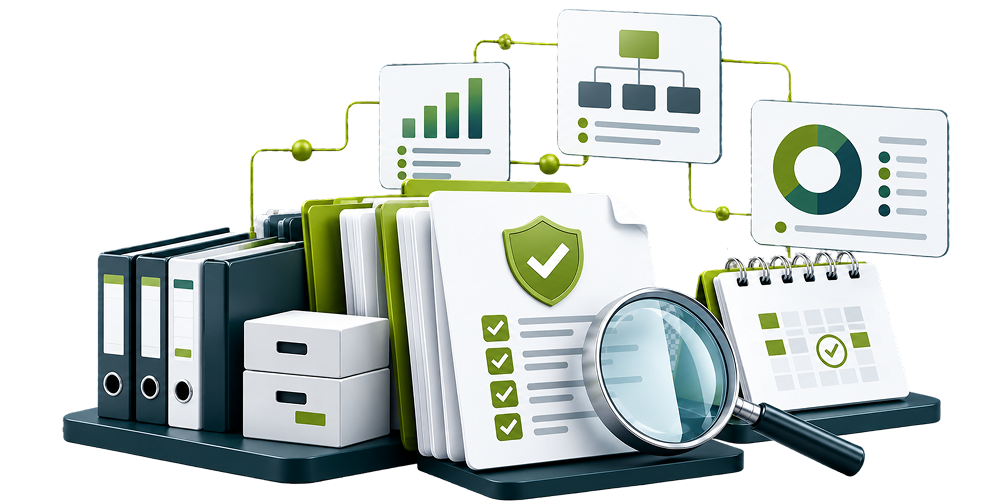
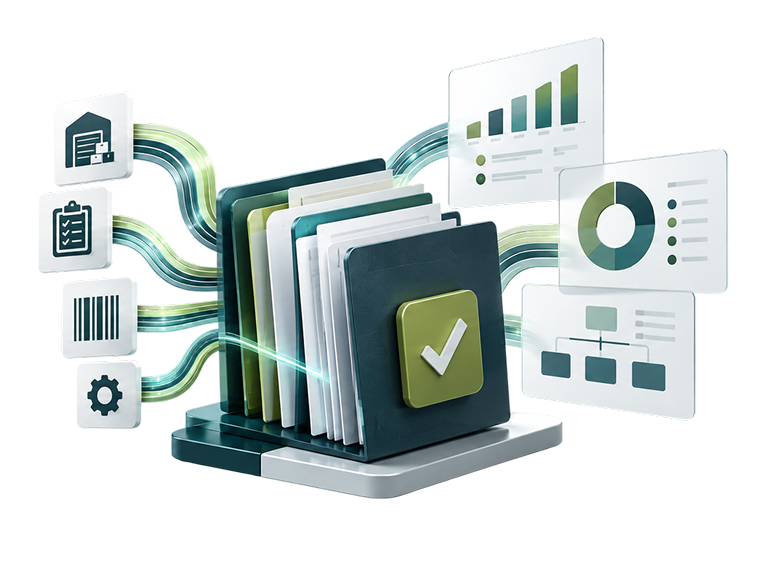
The ledger is only one part of the audit trail. AssetMaxx supports the asset record around it: custody, physical verification, reconciliation status, audit history, and disposition history. Use the right AssetMaxx product as a dedicated operating record, or connect it to existing systems through a defined exchange, so asset information stays useful across finance, inventory, and property teams.



Tell us which question is hardest to answer today.