

The field team handles the scanning. The administrator needs a different view: which locations are done, which aren’t, and how much work remains before the audit closes.
Multi-site asset audit coordination is a project-management job layered on top of field verification. The person coordinating it sets the scope, assigns the work, and monitors coverage from the office while teams are still in the field, not after everyone returns.
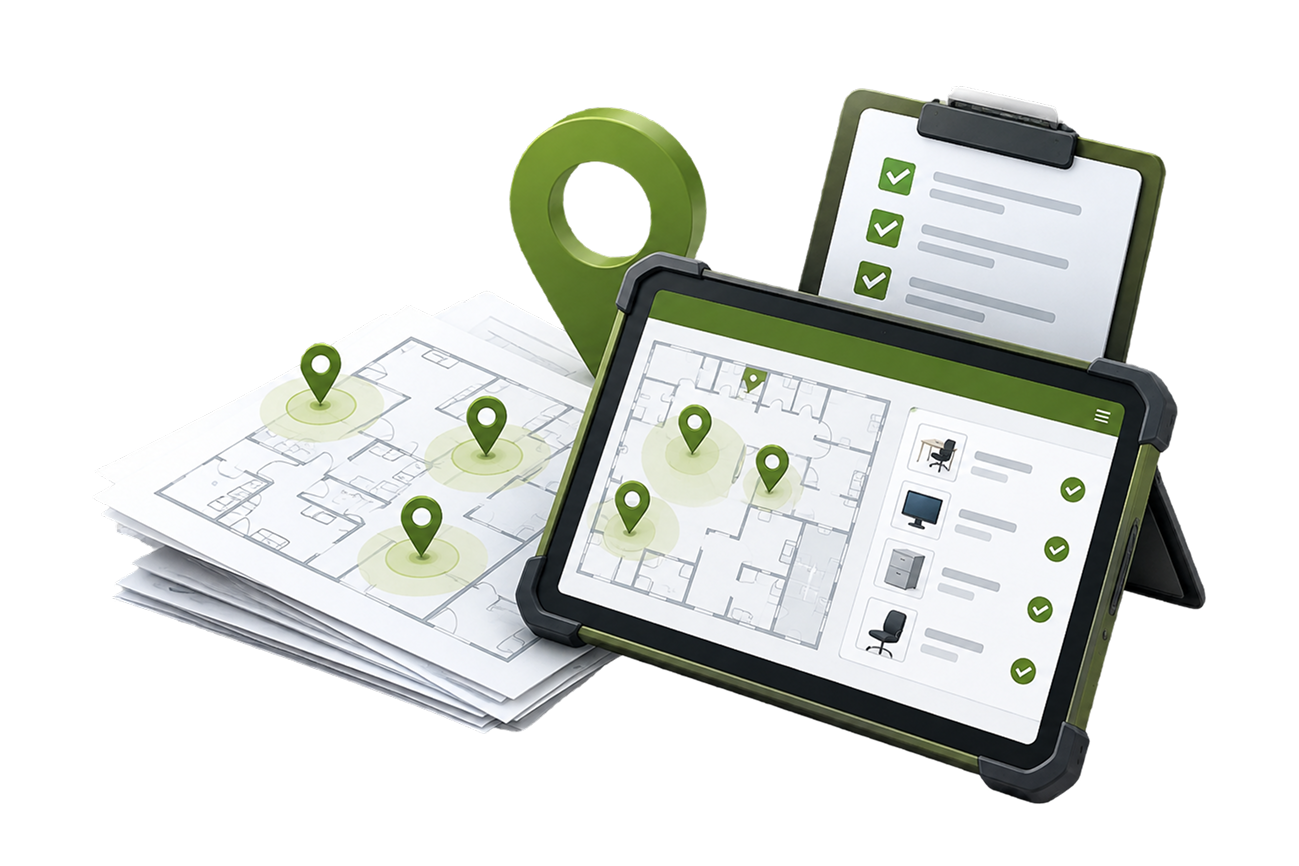
Verification starts from the asset records already in your ERP, finance, or asset systems, so field teams work from real source data instead of a blank list. This is where physical inventory audit planning begins: the coordinator sets which locations, departments, and records are in scope, assigns areas to each team, and sees coverage build as results arrive. When the last assignment is complete, the verified inventory is ready for reconciliation and audit reporting.
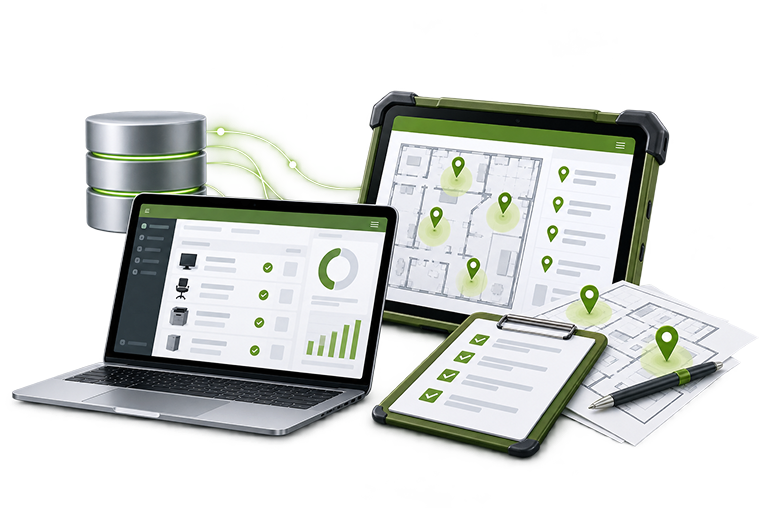
Accountability changes by record and by team. Start with the path closest to the work you have to defend.
Define which locations, departments, and asset records are included before field work begins, so the verification perimeter is set before anyone enters the field.
Assign areas to field teams and individuals, so coverage is set before field work starts.
See which areas are complete and which still need coverage while field work is underway, so gaps can be identified before the team leaves a building.
Completed field work produces the verified results that reconciliation and audit-ready inventory reporting require.
Bring the facility footprint: the campuses, buildings, departments, or sites your next physical inventory needs to cover. See how Scan & Validate scopes the effort, assigns the work, and surfaces progress before the field team is done.